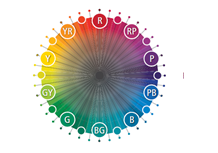

Imagine clothes that shift hues based on the weather, fabrics that indicate damage, or clothing that shows hidden messages when exposed to light. It’s not just a fantasy anymore- it’s the realm of smart dyes. The introduction of smart dyes has brought about a significant change in the field of dyes, leading to a new era in color manipulation.
Understanding Smart Dyes:
Smart dyes, also known as chromogenic or chromophoric components, are designed with molecular compositions that can change their absorption or emission spectra when exposed to certain external stimuli. These stimuli may be shifts in temperature, variations in pH levels, intensity of lights, or the presence of specific chemicals or ions. These unique properties allow these dyes to undergo different color transformations, rendering them remarkably flexible and versatile in their applications.
By introducing exciting color-changing properties to fabrics smart dyes have revolutionized the textile industry. Unlike traditional dyes that offer a static hue, smart dyes can react to a variety of triggers such as temperature, light, pH, or chemical agents enabling innovative applications in fashion, sportswear, and functional textile.
Here are a few examples of smart dyes:
Photochromic Dyes:
They undergo reversible color changes when exposed to ultraviolet (UV) or visible light, making them suitable for the production of textiles that exhibit light-sensitive characteristics. Apparel brands like SolarActive offer T-shirts that display vibrant patterns while worn exposed to light outdoors and revert to their original color in the absence of light.
Thermochromic Dyes:
These dyes are made with specialized molecules that change color after certain temperature thresholds making them ideal for creating temperature-sensitive textiles. DelSol offers swimwear that undergo color change when exposed to sunlight or warm water.
pH-sensitive Dyes:
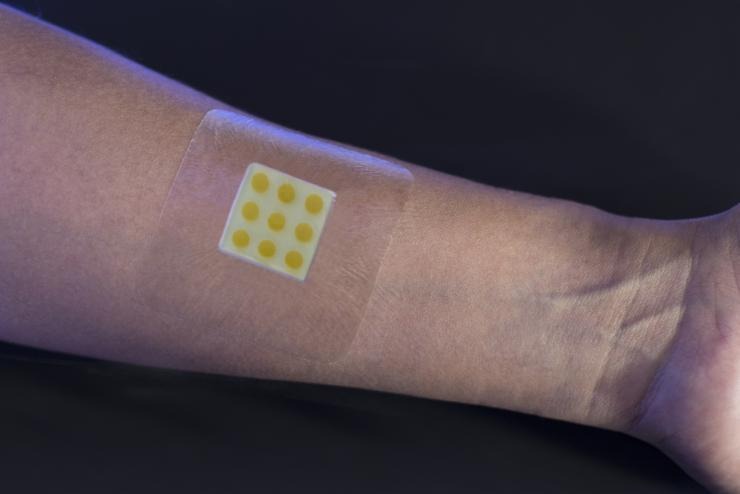
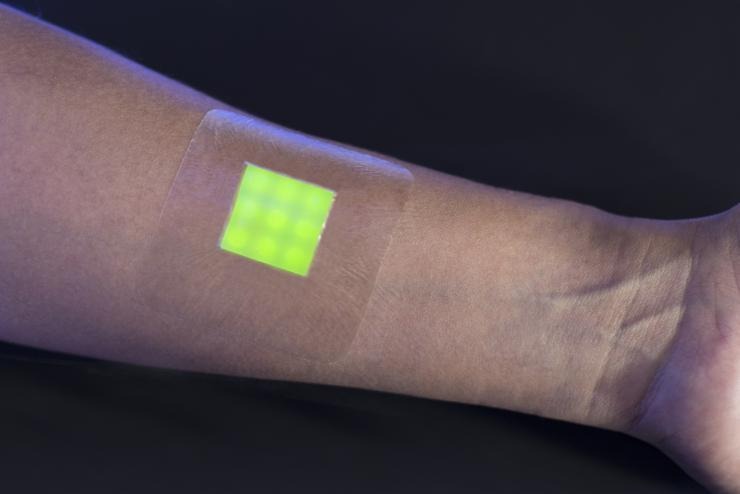
These dyes show distinct color shifting in acidic or alkaline environments, providing a visual indicator of pH changes that are applied to biomedical textiles, environmental monitoring and hygienic products. Brands like ColorMunki produce bandages embedded with pH-sensitive dyes which change color in the presence of wounds facilitating timely wound management and care.
Conductive Inks and Dyes:
Metallic or conductive particles are present in these dyes that impart electrical conductivity to textiles and integrate electronic functionalities like heating, sensing, and lighting into fabrics. Brands like LumiGram specialize in producing illuminated textiles that blend aesthetics with functionality offering products such as light-up scarves and jackets.

Applications:
Fashion and Apparel: Smart dyes can add an element of surprise and delight to fashion pieces while they can be imparted to clothing. Imagine a garment that adjusts its color to suit the wearer’s mode or surrounding environment based on temperature.
Sportswear and Performance: Color-clothing textiles can provide immense feedback about an athlete by indicating the changes in body temperature and exertion levels. This will not only upgrade the performance but also add a futuristic appeal to sportswear.
Safety and Functional clothing: Clothing high-visibility for workers in low-light conditions is produced by smart dyes. Moreover, color-changing fabrics are used for security purposes to detect unauthorized access or tampering by detecting color changes in the environment. It also holds promising applications in the realm of medical textiles such as wound monitoring, signaling infection or healing progress, etc.
Interior design and Home textile: Dynamic color-changing fabrics, curtains, upholstery, and decorative textiles can also create immersive environments, transforming spaces through light and other surrounding factors.
The ongoing research in smart textiles is still expanding the horizons of possibilities. Though several challenges like color intensity, response time, and durability across various washing and environmental conditions are present, the potential benefits are undeniable. Scientists are working effortlessly to seamlessly blend smart dyes-based wearable electronics, flexible displays, and other color-changing materials into our day-to-day lives.